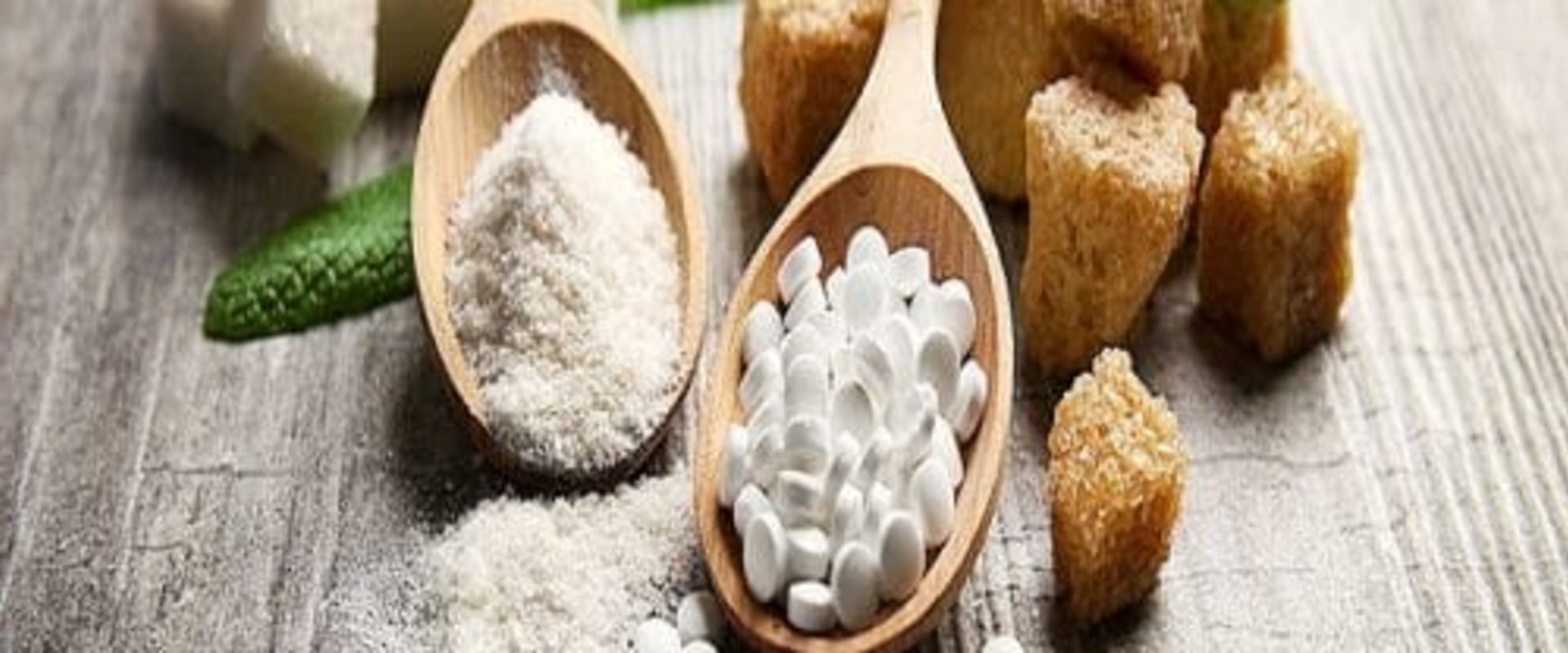
In the world of baking, achieving the perfect balance of sweetness is paramount, and many bakers are now turning to alternatives like Pure Mountain Botanicals Organic Liquid Stevia for a healthier option. This all-natural, zero-calorie sweetener is derived from the leaves of the Stevia rebaudiana plant, offering a solution that not only caters to those seeking to reduce their sugar intake but also delivers a smooth, mellow sweetness without the bitter aftertaste often associated with other stevia products. As more people look to create delicious baked goods that align with their health goals, understanding the conversion ratio of sugar to stevia in baking becomes essential. With the rise of health-conscious eating and the increasing popularity of low-calorie sweeteners, bakers are faced with the challenge of adjusting traditional recipes to accommodate stevia. This shift not only involves knowing how much stevia to use in place of sugar but also considering how these adjustments can affect the texture and flavor of baked goods.
In this article, we will delve into the intricacies of substituting sugar with stevia, providing you with valuable insights into making these conversions effortlessly and effectively. By mastering the art of using Pure Mountain Botanicals Organic Liquid Stevia, you can enjoy all your favorite treats while maintaining a healthier lifestyle. As health-conscious individuals seek alternatives to traditional sugar, the demand for natural sweeteners has surged. Among these, Pure Mountain Botanicals Organic Liquid Stevia stands out as a clean and effective option that delivers a zero-calorie sweetness derived from the leaves of the Stevia rebaudiana plant. This shift towards healthier options presents an exciting opportunity for bakers to explore how to effectively substitute sugar with stevia in their recipes. Understanding the concept of conversion ratios is crucial when substituting sugar with stevia in baking.
The conversion ratio refers to the amount of stevia needed to achieve the same level of sweetness as a given quantity of sugar. Generally, stevia is significantly sweeter than sugar, which means less is needed for the same sweetening effect. A common conversion guideline is that 1 cup of sugar can be replaced with about 1 teaspoon of liquid stevia, although this can vary based on the specific recipe and desired sweetness level. When calculating the appropriate amount of stevia for different recipes, it’s essential to consider the characteristics of the baked goods you are making. For example, cakes typically require a bit more moisture than cookies, so while a chocolate chip cookie recipe may call for 1 cup of sugar replaced by approximately 1 teaspoon of liquid stevia, a cake recipe may require adjustments in other ingredients to maintain texture.
It's also important to note that baking often involves a balance of flavors, so bakers might find it helpful to start with less stevia and gradually increase until the desired sweetness is achieved. Let’s take a look at some common baked goods and their respective sugar-to-stevia conversion ratios. In cake recipes, you might use around 1 teaspoon of liquid stevia for every cup of sugar. For cookies, again, about 1 teaspoon per cup of sugar works well. Bread recipes can be trickier; some bakers find that using around 1/2 teaspoon of liquid stevia per cup of sugar allows for a more balanced flavor profile without compromising texture. When switching from sugar to stevia, one must also consider potential changes in taste and texture.
Liquid stevia can impart a different mouthfeel compared to sugar, which can impact the final product. Adjusting recipes may involve enhancing certain flavors or adding complementary ingredients like vanilla or almond extract to mask any aftertaste that some individuals experience with stevia. The smooth sweetness provided by Pure Mountain Botanicals Organic Liquid Stevia minimizes these aftertaste concerns, offering a better overall baking experience. Bakers should also keep in mind that different types of recipes, such as gluten-free or vegan options, can particularly benefit from using stevia as a sugar substitute. Gluten-free flours often require additional moisture or binding agents, which can be balanced out by carefully measuring the amount of liquid stevia used.
In vegan baking, where traditional egg and dairy products are absent, using liquid stevia can help maintain sweetness without adding extra calories. In summary, successfully replacing sugar with stevia in baking involves understanding conversion ratios, making thoughtful adjustments for taste and texture, and being mindful of the unique requirements of various recipes. With products like Pure Mountain Botanicals Organic Liquid Stevia, bakers can enjoy the benefits of a natural sweetener while creating delicious treats that align with healthier dietary choices.
Baking Tips When Using Stevia
When it comes to baking with Pure Mountain Botanicals Organic Liquid Stevia, adjusting your recipes is key to achieving the best results. Since stevia is significantly sweeter than sugar, a little goes a long way. To start, it’s essential to understand the conversion ratio: typically, you will need about 1 teaspoon of liquid stevia to replace 1 cup of sugar.However, this can vary depending on the recipe and personal taste preferences. Another important factor is the moisture content in your baked goods. Sugar not only sweetens but also contributes to the texture and moisture of baked items. Since Pure Mountain Botanicals Organic Liquid Stevia is a liquid, you may need to reduce other liquids in your recipe to maintain the right consistency. For instance, if a recipe calls for 1 cup of sugar and 1 cup of milk, consider reducing the milk slightly to balance the added moisture from the stevia. Furthermore, adding a bulking agent can help mimic the volume that sugar provides.
Common substitutes include unsweetened applesauce, mashed bananas, or yogurt. These ingredients not only add bulk but also contribute moisture and flavor, which can enhance your baked goods even further. Don’t forget about flavor adjustments; sometimes, reducing the amount of other strong flavors in your recipe can help highlight the mellow sweetness of stevia. Additionally, incorporating spices like cinnamon or vanilla can create a delightful balance that complements the unique taste of stevia. Finally, it’s recommended to start with small batches when experimenting with stevia in your baking. This allows you to fine-tune ratios and ingredients without wasting large quantities of materials.
With practice and patience, you can master the art of baking with Pure Mountain Botanicals Organic Liquid Stevia, producing delicious treats that are both satisfying and healthier alternatives to traditional sugary options.
Calculating Sugar to Stevia Ratios
When it comes to baking, understanding the conversion ratio of sugar to stevia is essential for achieving the desired sweetness and texture in your recipes. With the rise of health-conscious baking, many are turning to Pure Mountain Botanicals Organic Liquid Stevia as an alternative to traditional sugar. This all-natural, zero-calorie sweetener provides an excellent option for those seeking to reduce their caloric intake without sacrificing flavor. To accurately convert sugar measurements to stevia, a general guideline is to use about 1 teaspoon of liquid stevia for every cup of sugar. However, this ratio can vary depending on the specific recipe and desired sweetness level.For instance, if you're baking a cake that requires a cup of sugar, you can start with 1 teaspoon of liquid stevia and adjust according to your taste preferences. It's also important to consider the type of baked goods you are making. For dense items like brownies or cookies, using the standard conversion may work well. Yet, for lighter baked goods such as cakes or muffins, you might want to add a little extra stevia, perhaps up to 1.5 teaspoons per cup of sugar, to ensure the right texture and moisture content. In addition to the conversion ratios, keep in mind that Pure Mountain Botanicals Organic Liquid Stevia has a unique flavor profile that can enhance your baked goods. Its smooth, mellow sweetness helps eliminate the bitter aftertaste often associated with other stevia products, making it an ideal choice for those who want a clean taste in their baking. Experimenting with different ratios will help you find the perfect balance for your recipes.
As you become more familiar with how stevia interacts in various baking scenarios, you'll be able to create delicious treats that align with your dietary goals.
Exploring Flavor Profiles
When incorporating Pure Mountain Botanicals Organic Liquid Stevia into your baking, it's essential to understand how different baked goods may react with this natural sweetener. While stevia offers a clean and mellow sweetness, its unique flavor profile can interact differently depending on the ingredients and the type of baked good being prepared. Cakes, for instance, tend to work well with stevia due to their inherent moisture content. When substituting sugar with Pure Mountain Botanicals Organic Liquid Stevia, it is advisable to use approximately one teaspoon of liquid stevia for every cup of sugar. To enhance flavors, consider pairing stevia with complementary ingredients such as vanilla, almond extract, or citrus zest, which can elevate the overall taste and mask any aftertaste that some may associate with stevia. Cookies can also benefit from using stevia, but it's important to keep in mind that the texture may differ.For denser cookies, like chocolate chip or oatmeal raisin, combining stevia with a bit of applesauce or yogurt can maintain moisture and improve the final product's mouthfeel. Additionally, spices such as cinnamon or nutmeg can harmonize beautifully with the sweetness of stevia. For brownies and fudge-like desserts, the richness of chocolate can help balance the flavors when using stevia. The key is to remember that since stevia is much sweeter than sugar, a smaller quantity is required. Experimenting with different types of cocoa powder or adding a pinch of salt can enhance the overall taste and create a more complex flavor profile. Ultimately, the versatility of Pure Mountain Botanicals Organic Liquid Stevia allows bakers to explore various flavor combinations.
By understanding how stevia interacts with different ingredients and adjusting recipes accordingly, you can create delicious baked goods that are both healthy and satisfying. In conclusion, the article has emphasized the Conversion Ratio of Sugar to Stevia in Baking and the numerous benefits that come with using Pure Mountain Botanicals Organic Liquid Stevia as a sugar substitute. With a focus on health and flavor, this all-natural, zero-calorie sweetener not only aligns with the growing demand for healthier alternatives but also enhances the baking experience by providing a smooth and mellow sweetness without the harsh aftertaste often associated with other stevia products. We encourage you to experiment with your favorite recipes, adjusting the sugar to stevia ratios accordingly, and discover how this remarkable sweetener can transform your baked goods into guilt-free delights. By incorporating Pure Mountain Botanicals Organic Liquid Stevia, you can enjoy a deliciously sweet treat while maintaining a healthier lifestyle.